Programming in 2026: The AI Revolution Is Here – 8 Game-Changing Developments Every Developer Must Know
If you’re a developer in 2026, you’ve probably noticed something wild: writing code line-by-line feels almost… old-fashioned. AI agents aren’t just suggesting snippets anymore—they’re building entire features, debugging, testing, and even shipping code while you sip coffee. This isn’t hype. It’s happening right now, backed by real releases, partnerships, and hard data from the last few months.
Here’s the extended, fact-based breakdown of the biggest programming news shaking the industry in May 2026. Whether you code in Python, TypeScript, or Rust, these shifts will affect your daily workflow, job security, and future skill set.
1. Agentic Coding Is No Longer Experimental – It’s the New Standard
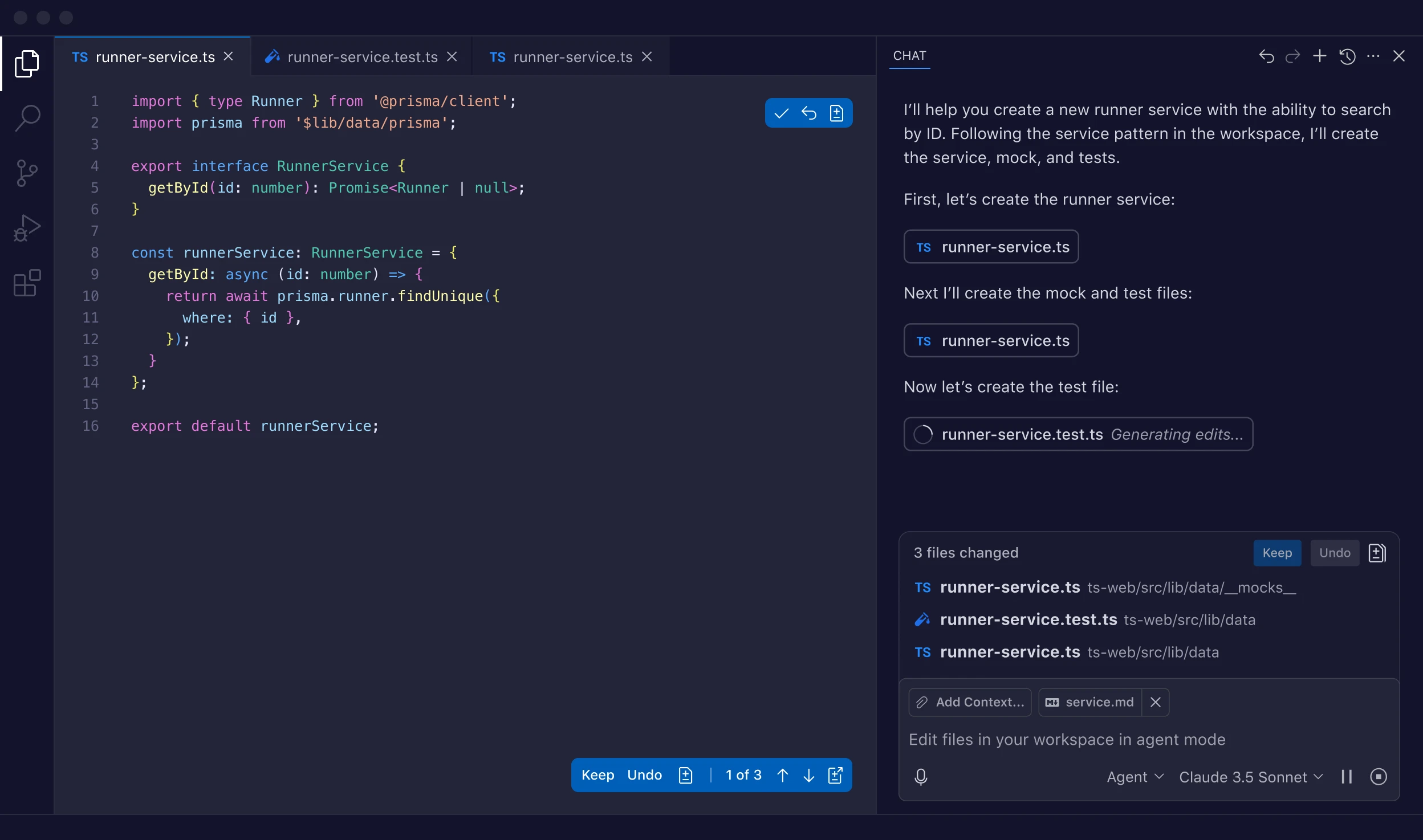
The biggest story of 2026? Agentic AI—autonomous coding agents that don’t just autocomplete but plan, iterate, test, and deploy entire workflows. Anthropic’s Claude Code has exploded in popularity, with the company doubling usage limits for Pro and Max subscribers thanks to a massive new deal with SpaceX’s Colossus supercomputer. Developers are now managing “fleets of AI agents” instead of writing every line themselves.
Productivity gains are real: experienced engineers report 10-15x speedups on repetitive tasks like CRUD apps, OpenAPI schemas, and test generation. Kaggle just relaunched its free 5-Day AI Agents course with Google, already hitting millions of learners.
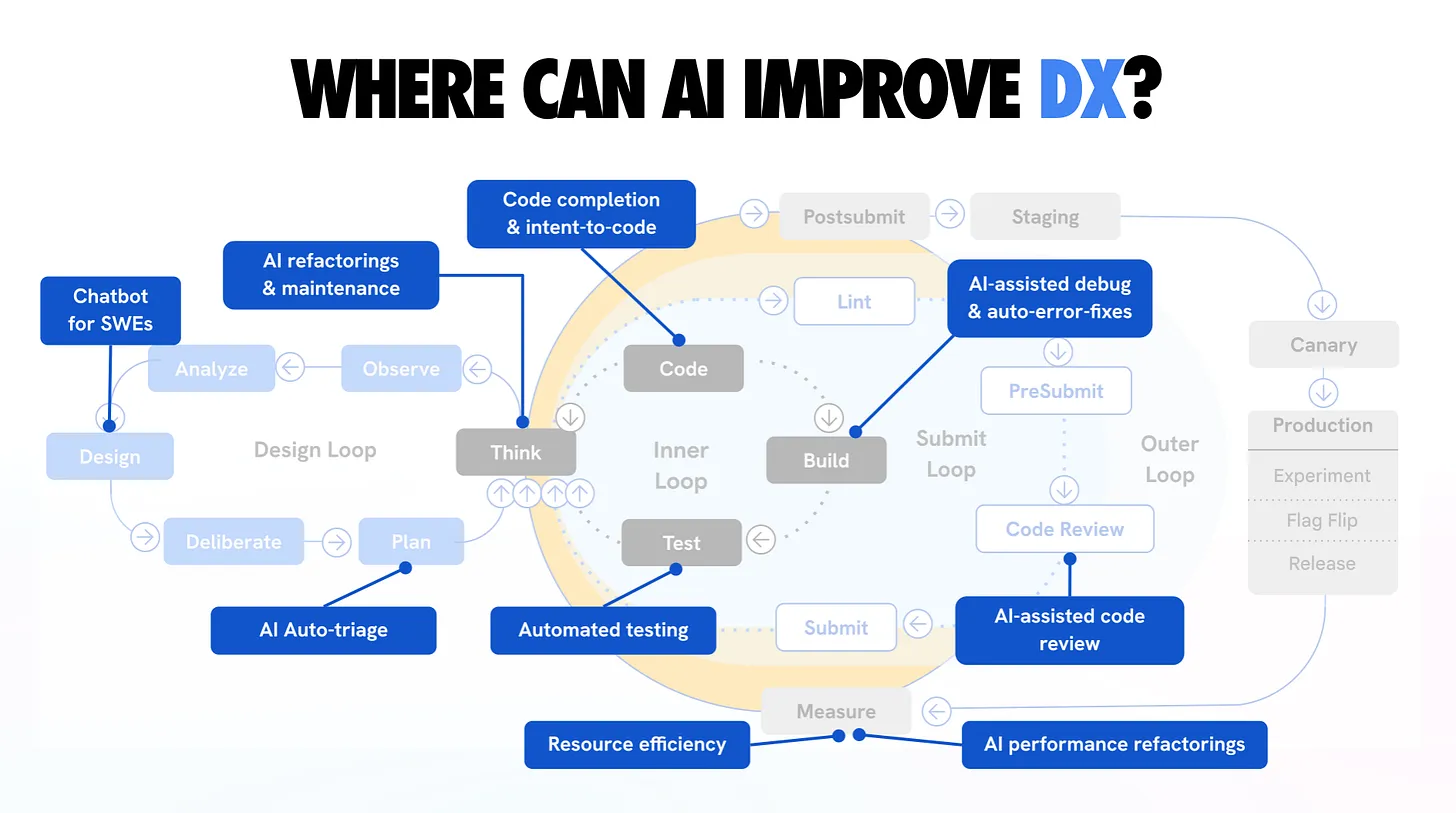
What this means for you: Your job isn’t disappearing—it’s evolving. You’re becoming an “AI orchestra conductor,” reviewing high-level plans and catching edge cases that agents still miss.
2. OpenAI Drops GPT-5.5 and GitHub Copilot Goes Per-Token
Early May 2026 saw OpenAI release GPT-5.5 “Instant,” turbocharging code generation. At the same time, GitHub Copilot switched to per-token pricing and started limiting heavy agentic workflows because autonomous agents were hammering infrastructure. New subscriptions were paused for a period as the company scrambled to manage costs.
Amazon made headlines too—after mandating its own Kiro AI tool internally, the company quietly allowed employees to switch back to Claude and OpenAI’s Codex after Kiro caused service disruptions. The message was clear: not all AI coding tools are created equal yet.
3. Hardware Breakthrough: A Full Transformer Burned into an FPGA
Forget GPUs for a second. On May 4, a developer burned a tiny 4,192-parameter transformer (Karpathy’s microGPT) directly into a Cyclone V FPGA—no Python, no runtime, no software overhead. Result? 53,000 tokens per second. The project, called TALOS-V2, proves inference can run as pure hardware logic.
This isn’t sci-fi. It signals the next frontier: specialized AI chips that run models at insane speeds without the usual power draw or latency.
4. The Security Wake-Up Call: “Vibe-Coded” Apps Are Leaking Data
Here’s the uncomfortable truth. Thousands of apps built with AI tools (Lovable, Replit, Base44, Netlify, etc.) have exposed sensitive corporate and personal data on the open web. A WIRED investigation highlighted how “vibe coding”—describing what you want in plain English and letting AI build it—has created massive security debt. Non-engineers and small teams are shipping fast… but without proper audits.
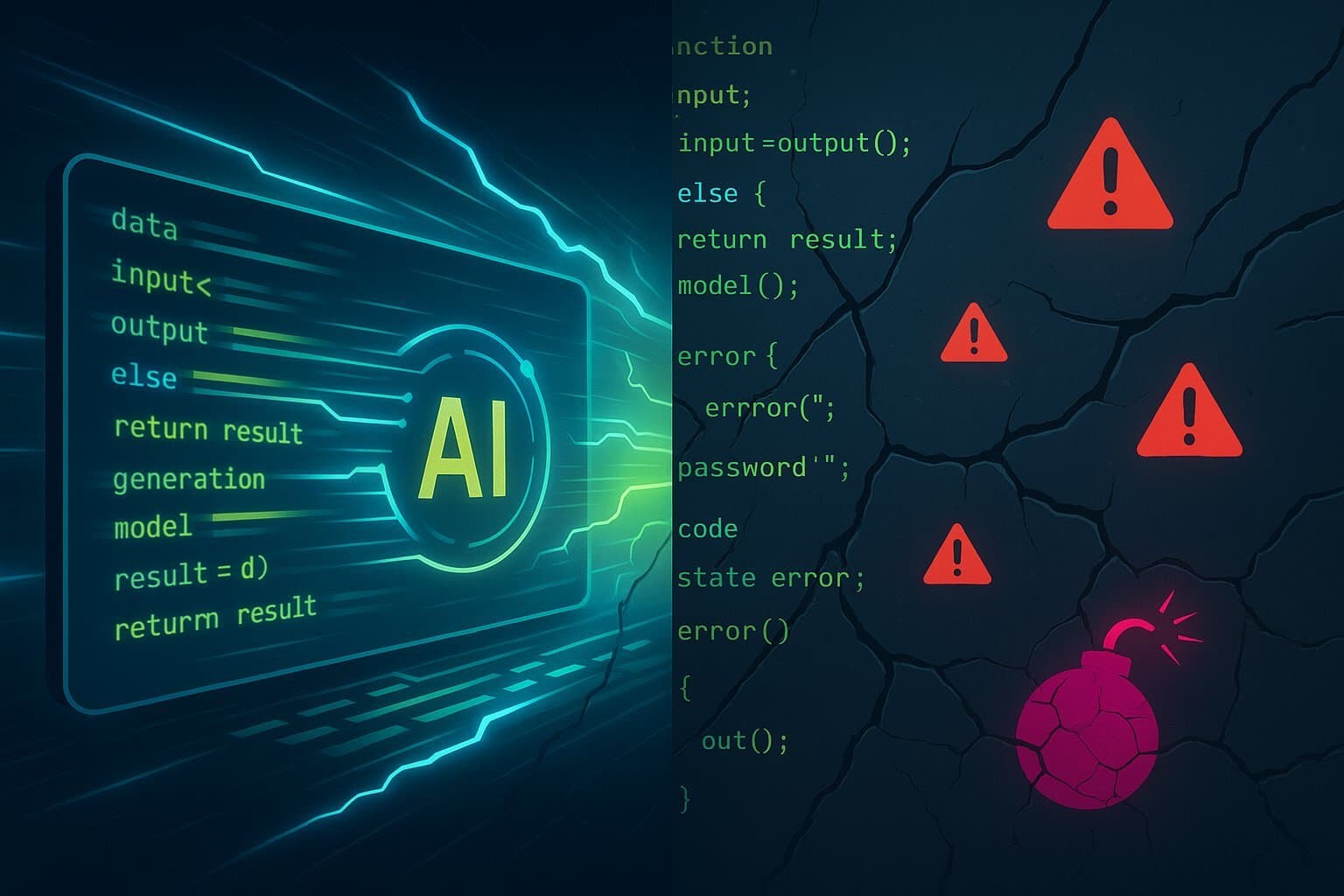
Key takeaway: Speed without security discipline is dangerous. Expect stricter guardrails, mandatory AI code audits, and new “agent safety” toolkits (Microsoft just open-sourced one) to become standard in enterprise stacks.
5. You Probably Don’t Need to Learn a Brand-New Language in 2026
Despite the noise, the top languages remain rock-solid: Python (AI/data king), JavaScript/TypeScript (web/full-stack everywhere), Java, C#, Go, and Rust. TypeScript overtook Python and JavaScript as the most-used language on GitHub. AI tools are so good at translation and boilerplate that chasing the “next big language” is often just productive procrastination.
Master the ones you already know. Focus on how to prompt agents effectively instead.
6. Low-Code, Edge Computing, and Quantum Are Accelerating
Low-code platforms are mainstream. Edge computing is booming for real-time AI. And quantum-centric supercomputing (IBM and others) is moving from lab to developer tools—Qiskit Code Assistant already helps generate quantum code.
Confidential computing and multi-agent systems are also rising fast, protecting data even while it’s being processed.
7. Mark Your Calendar: Two Massive Developer Events This Month
- Anthropic’s Code with Claude Conference – Livestream available. Expect deep dives into agentic workflows and the future of “Claude Code.”

- Google I/O 2026 – May 19 keynote. Gemini advancements, new Android AI tools, and developer sessions will dominate headlines.

8. The Bottom Line: Adapt or Get Left Behind
AI won’t replace developers in 2026—it’s already replacing how we develop. The winners will be those who treat AI as a superpower: prompt like a pro, review like a senior architect, and ship faster than ever.
Productivity is up dramatically, but so are costs, security risks, and the need for human oversight. Companies are hiring more AI-augmented engineers, not fewer. Unemployment in tech remains low, and developer job postings are actually up year-over-year.
Action steps for you right now:
- Try Claude Code or Cursor on a side project this week.
- Enable agent mode in your IDE and practice reviewing (not just accepting) AI output.
- Audit any “vibe-coded” projects for security holes.
- Watch the upcoming keynotes—they’ll drop the next wave of tools.
The programming world in mid-2026 is more exciting than it’s ever been. AI isn’t coming for your job—it’s handing you a jetpack. The only question is: are you ready to fly?