Now Reading: Ben Goldsmith: Biography, Career, Environmental Activism, and Influence on Sustainable Finance
-
01
Ben Goldsmith: Biography, Career, Environmental Activism, and Influence on Sustainable Finance
Ben Goldsmith: Biography, Career, Environmental Activism, and Influence on Sustainable Finance

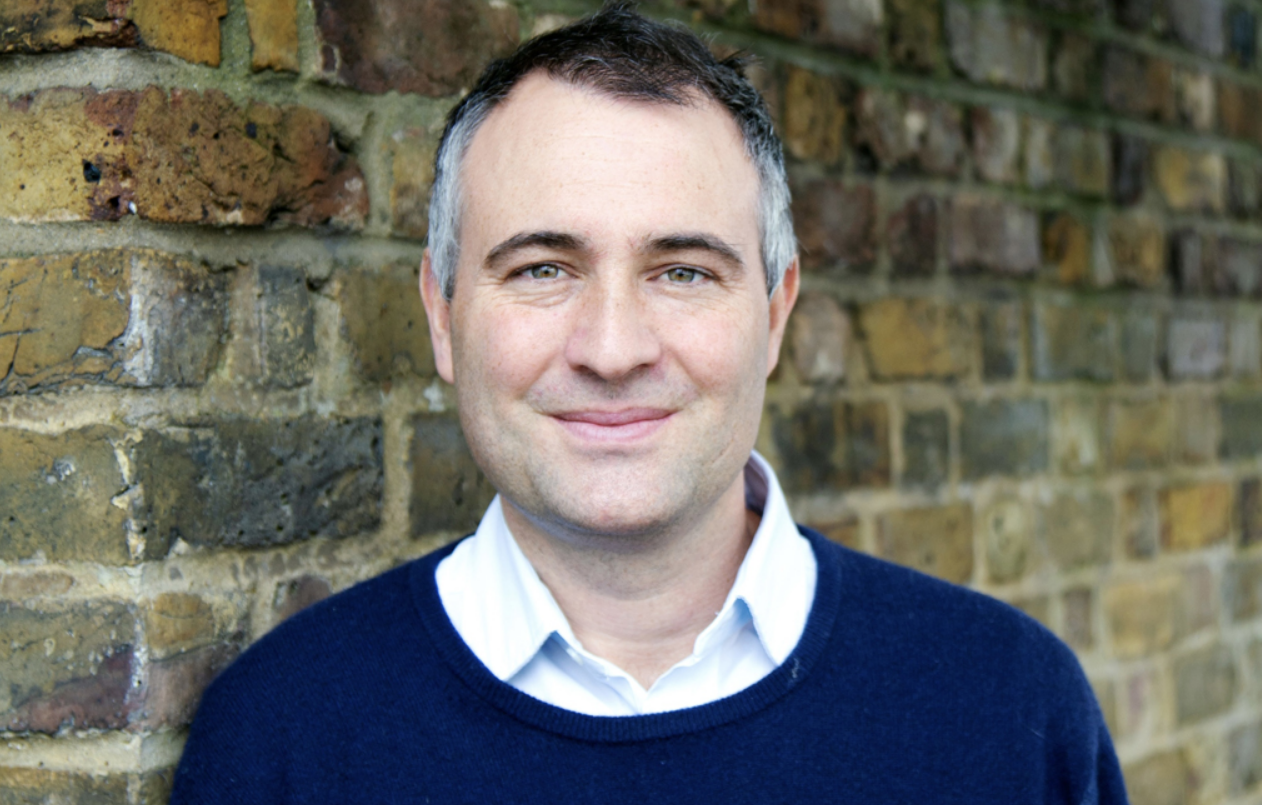
Ben Goldsmith is a British financier, environmental campaigner, conservationist, and philanthropist who has become widely recognized for his work in sustainable investment and environmental protection. Although he initially built his reputation in the financial sector, Goldsmith has spent much of his career promoting biodiversity, ecological restoration, and responsible investment practices. His influence extends beyond finance into conservation policy, wildlife protection, and charitable initiatives, making him one of the United Kingdom’s most prominent advocates for nature recovery and environmental sustainability.
Benjamin James Goldsmith was born on December 26, 1980, in London, England. He is a member of the well-known Goldsmith family, whose name has long been associated with business, politics, philanthropy, and environmental causes. His father, Sir James Goldsmith, was an internationally successful businessman and investor, while his mother, Lady Annabel Goldsmith, became known for her charitable work and social influence. Growing up in such an environment exposed Ben Goldsmith to discussions about finance, politics, and conservation from an early age.
Goldsmith received his education in England before beginning a career in finance. Inspired partly by his father’s entrepreneurial success, he entered the investment industry while still a young professional. During his early years in finance, he developed a strong understanding of asset management, venture capital, and investment strategy. However, unlike many traditional investors, Goldsmith gradually became interested in the relationship between financial markets and environmental responsibility.
As concerns about climate change, biodiversity loss, and sustainable development grew internationally, Goldsmith recognized that investment capital could become a powerful tool for positive environmental change. Rather than viewing environmental protection as separate from economic growth, he argued that long-term financial success depends on maintaining healthy ecosystems and sustainable natural resources. This philosophy would eventually shape much of his professional career.
One of the defining aspects of Goldsmith’s work has been his involvement in sustainable and impact investing. He has supported investment strategies that prioritize companies committed to environmental responsibility, renewable energy, sustainable agriculture, and resource efficiency. His work has helped promote the idea that investors can generate financial returns while simultaneously contributing to positive environmental and social outcomes.
Alongside his financial activities, Goldsmith became increasingly active in wildlife conservation. He has supported numerous organizations dedicated to protecting endangered species, restoring natural habitats, and preserving biodiversity around the world. His conservation efforts have included projects focused on forests, rivers, wetlands, marine ecosystems, and large-scale landscape restoration.
Goldsmith has consistently argued that biodiversity should be treated as an essential component of economic prosperity rather than simply an environmental concern. He believes healthy ecosystems provide critical services such as clean water, fertile soils, pollination, flood protection, and climate regulation. According to this perspective, investing in nature is not only environmentally responsible but also economically beneficial over the long term.
Throughout his career, Goldsmith has worked closely with conservation organizations, scientists, policymakers, and business leaders. By bringing together expertise from finance and environmental science, he has helped encourage collaboration between sectors that have not always worked closely together. His approach emphasizes practical solutions that balance economic development with ecological protection.
In addition to conservation work, Goldsmith has participated in various public policy initiatives concerning environmental sustainability. He has advised governments and organizations on issues such as habitat restoration, carbon reduction, biodiversity finance, and natural capital accounting. His policy recommendations often emphasize market-based solutions capable of encouraging environmental improvements while supporting economic growth.
Goldsmith has also become known for promoting rewilding initiatives. Rewilding focuses on restoring natural ecosystems by allowing native species, habitats, and ecological processes to recover with minimal human intervention. He has supported projects aimed at restoring rivers, woodlands, grasslands, and wildlife populations across the United Kingdom and internationally. These initiatives seek to improve biodiversity while strengthening ecosystem resilience against climate change.
His interest in conservation extends beyond the United Kingdom. Goldsmith has contributed to projects in Africa, South America, Europe, and other regions where biodiversity faces significant threats. Many of these initiatives involve partnerships with local communities, governments, conservation charities, and scientific institutions working together to protect vulnerable ecosystems.
As environmental awareness has increased globally, Goldsmith has frequently spoken about the importance of integrating nature into mainstream economic decision-making. He argues that traditional economic models often fail to account for the true value of ecosystems, leading to unsustainable resource use and long-term financial risks. By incorporating natural capital into investment decisions, he believes businesses and governments can make more informed choices that benefit both society and the environment.
Beyond finance and conservation, Goldsmith has contributed to philanthropy through charitable foundations and nonprofit organizations. His philanthropic interests include environmental education, wildlife conservation, scientific research, and community development. These initiatives reflect his belief that lasting environmental progress depends on education, innovation, and public engagement.
Goldsmith has also written and spoken extensively about environmental issues. Through interviews, articles, conferences, and public events, he has encouraged greater awareness of biodiversity loss, ecosystem restoration, and sustainable finance. His communication style emphasizes practical optimism, arguing that meaningful environmental improvements are achievable through cooperation between governments, businesses, investors, and civil society.
Despite working primarily behind the scenes compared to many public figures, Goldsmith has become an influential voice within international environmental circles. Financial institutions, conservation organizations, and policymakers frequently seek his perspectives on sustainable investment strategies and ecological restoration. His ability to bridge financial expertise with environmental advocacy has distinguished him from many traditional conservationists.
Goldsmith’s work has become increasingly relevant as governments and corporations place greater emphasis on environmental, social, and governance (ESG) principles. Sustainable investing has grown rapidly over the past decade, with investors paying closer attention to climate risks, biodiversity impacts, and corporate sustainability practices. Goldsmith has consistently supported this broader transition toward more responsible investment models.
Outside his professional activities, Goldsmith is known for his personal passion for wildlife, nature, and outdoor life. Friends and colleagues often describe him as deeply committed to environmental causes not only professionally but also personally. His appreciation for landscapes, rivers, forests, and wildlife has remained a consistent theme throughout his career.
Like many public figures involved in environmental policy, Goldsmith has occasionally participated in public debates regarding conservation priorities, land management, and government policy. These discussions reflect the complexity of balancing environmental protection, economic development, agricultural interests, and community needs. Throughout these debates, Goldsmith has generally advocated collaborative, science-based approaches rather than ideological solutions.
Today, Ben Goldsmith is widely recognized as one of Britain’s leading advocates for sustainable finance and biodiversity conservation. His career demonstrates how financial expertise can be applied to address some of the world’s most pressing environmental challenges. By encouraging investment in nature, promoting ecological restoration, and supporting innovative conservation strategies, he has helped influence discussions surrounding sustainability both within the United Kingdom and internationally.
As global attention increasingly focuses on climate change, biodiversity loss, and sustainable development, Goldsmith’s work continues to gain significance. His vision of aligning economic systems with environmental protection reflects a growing international movement toward responsible investment and long-term ecological stewardship. Whether through conservation projects, financial innovation, public policy, or philanthropy, Ben Goldsmith has established himself as an important figure working at the intersection of finance and environmental sustainability.