Now Reading: Andrew Bailey: The Economist at the Heart of Britain’s Financial System
-
01
Andrew Bailey: The Economist at the Heart of Britain’s Financial System

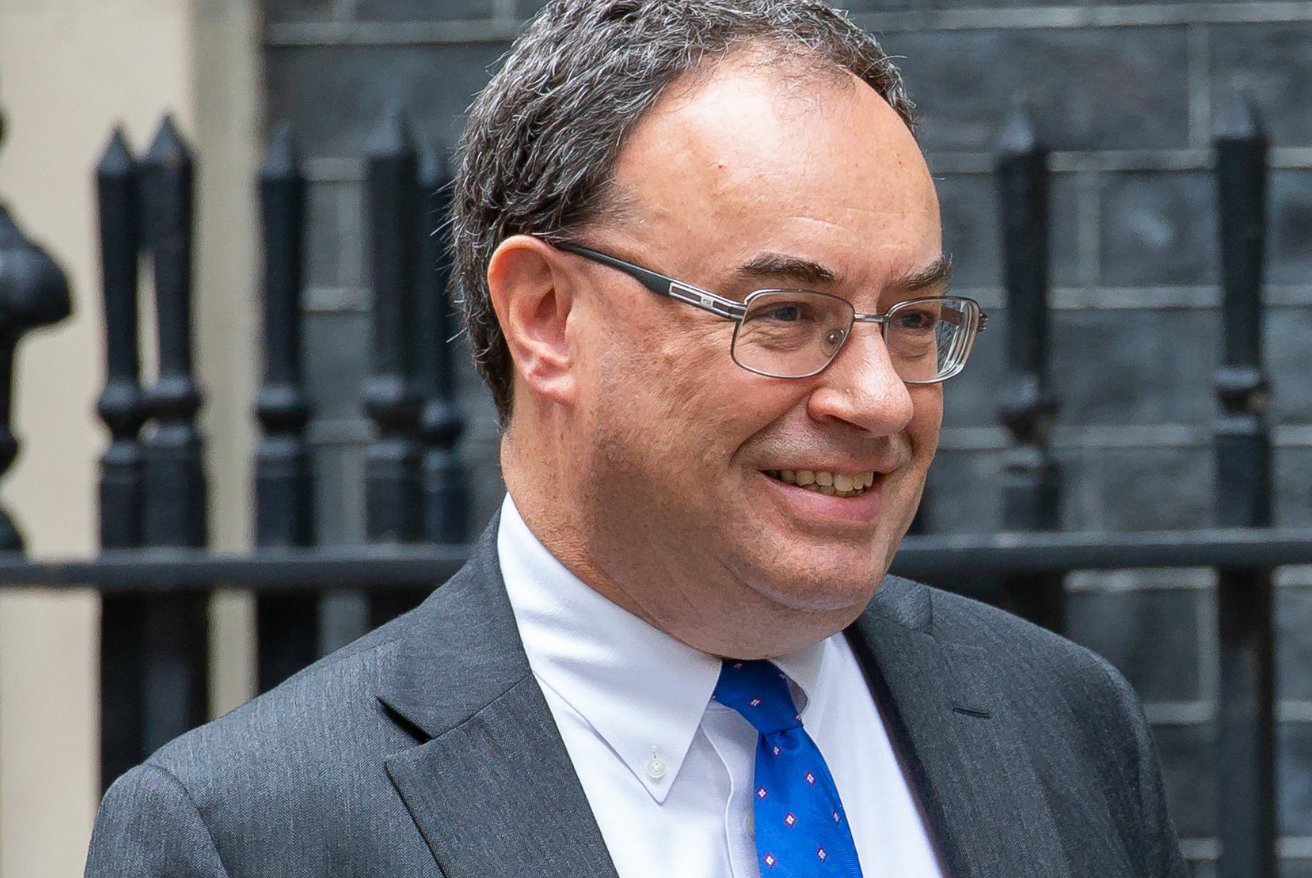
Andrew Bailey has spent much of his professional life far from the world of celebrity, yet few individuals in Britain hold a position with such direct relevance to the country’s economic future. As Governor of the Bank of England, Bailey sits at the center of decisions involving inflation, interest rates, financial stability and the wider health of the British economy. His public appearances can move expectations across financial markets, while his assessments of economic conditions are closely examined by businesses, investors and households.
Unlike political figures who build careers through elections and campaigning, Bailey’s rise came through decades of work inside Britain’s financial institutions. His career has taken him through banking crises, regulatory reforms and periods of extraordinary economic uncertainty. By the time he became Governor in 2020, he had already accumulated extensive experience dealing with some of the most difficult questions facing the British financial system.
From Cambridge to the Bank of England
Andrew John Bailey was born in Leicester, England, in 1959. He studied at Queens’ College, Cambridge, where he completed both undergraduate studies and a doctorate. His academic background provided the foundation for a career that would eventually place him at the highest level of British monetary policymaking.
Bailey joined the Bank of England in 1985. Over the following decades, he worked across a wide range of areas, including international economic analysis, banking services and financial regulation. Rather than following a narrow specialist path, he gradually developed experience across several of the institution’s core responsibilities.
At different stages of his career, Bailey served as Private Secretary to the Governor and Head of the International Economic Analysis Division. He later became Executive Director for Banking Services and Chief Cashier. The latter position traditionally carries a particularly visible connection to British currency, with the Chief Cashier’s signature appearing on Bank of England banknotes issued during their tenure.
The Financial Crisis and Regulation
The global financial crisis of 2007–2009 became one of the defining periods of Bailey’s professional career. Britain’s banking system faced extraordinary pressure, forcing regulators and policymakers to confront failures that threatened the stability of the wider economy.
Bailey became heavily involved in the Bank of England’s work on resolving troubled financial institutions. His experience during this period helped establish his reputation as a senior figure in financial supervision and crisis management.
As Britain subsequently redesigned its regulatory architecture, Bailey assumed increasingly important responsibilities. In 2013, he became Deputy Governor of the Bank of England for Prudential Regulation and Chief Executive of the newly created Prudential Regulation Authority. The organization was responsible for supervising banks, building societies, credit unions, insurers and major investment firms.
Leading the Financial Conduct Authority
In 2016, Bailey left his role at the Bank to become Chief Executive of the Financial Conduct Authority. The FCA occupies a crucial position in Britain’s financial system, overseeing financial markets and thousands of firms while seeking to protect consumers and maintain confidence in the sector.
The role placed Bailey under a different kind of public scrutiny. Instead of concentrating primarily on the stability of financial institutions, he also had to confront questions involving consumer protection, misconduct, investment products and the behavior of financial companies.
His period at the FCA was not without criticism, and controversies surrounding financial regulation demonstrated the difficulty of balancing competing responsibilities. Nevertheless, his extensive institutional experience ultimately made him one of the leading candidates when the position of Bank of England Governor became available.
Becoming Governor
Andrew Bailey was announced as the next Governor of the Bank of England in December 2019 and formally began his term on March 16, 2020. The timing could hardly have been more dramatic.
Within days, Britain was entering the extraordinary economic disruption caused by the COVID-19 pandemic. Businesses closed, economic activity collapsed and financial markets experienced severe volatility. The Bank of England responded with emergency measures designed to support the economy and preserve financial stability.
Bailey therefore began the most important job of his career during one of the most unpredictable economic moments in modern British history.
Inflation and the Cost-of-Living Challenge
The difficulties did not end with the pandemic. Britain subsequently experienced a sharp rise in inflation, influenced by global supply disruptions, energy prices and the economic consequences of Russia’s invasion of Ukraine.
For Bailey and the Bank’s Monetary Policy Committee, inflation created an uncomfortable dilemma. Raising interest rates can help control price growth, but higher borrowing costs also place pressure on mortgage holders, businesses and consumers.
As Governor, Bailey became one of the most recognizable faces associated with these decisions. Every interest-rate announcement generated intense attention, while his comments were analyzed for clues about the Bank’s future direction.
A Different Kind of Public Figure
Bailey’s influence is fundamentally different from that of an entertainer or elected politician. His power comes from the institution he leads and the enormous consequences that monetary policy can have for everyday economic life.
A change in interest rates can affect mortgages, savings, business investment and the value of the pound. Inflation forecasts can influence financial markets and government planning. This means that even highly technical statements from the Governor can quickly become national news.
Bailey’s current term as Governor is scheduled to run until March 2028. Whatever judgments are ultimately made about his tenure, he has already governed the Bank through an unusually turbulent period encompassing a pandemic, an inflation shock and profound changes in the global economy.
His career illustrates how individuals who spend decades largely outside the celebrity spotlight can eventually find themselves occupying positions where a few carefully chosen words are watched across an entire country.